



AIKON Article Details | AIKON
Sensors: The "Senses" of Pumps
2024-12-20 17:12:36
Introduction:
In the world of smart pumps, sensors act as the "senses," helping them perceive their environment and internal state. Just as we rely on our senses to understand the world, smart pumps depend on sensors to gather crucial data for intelligent operation.
Basic Functions of Sensors
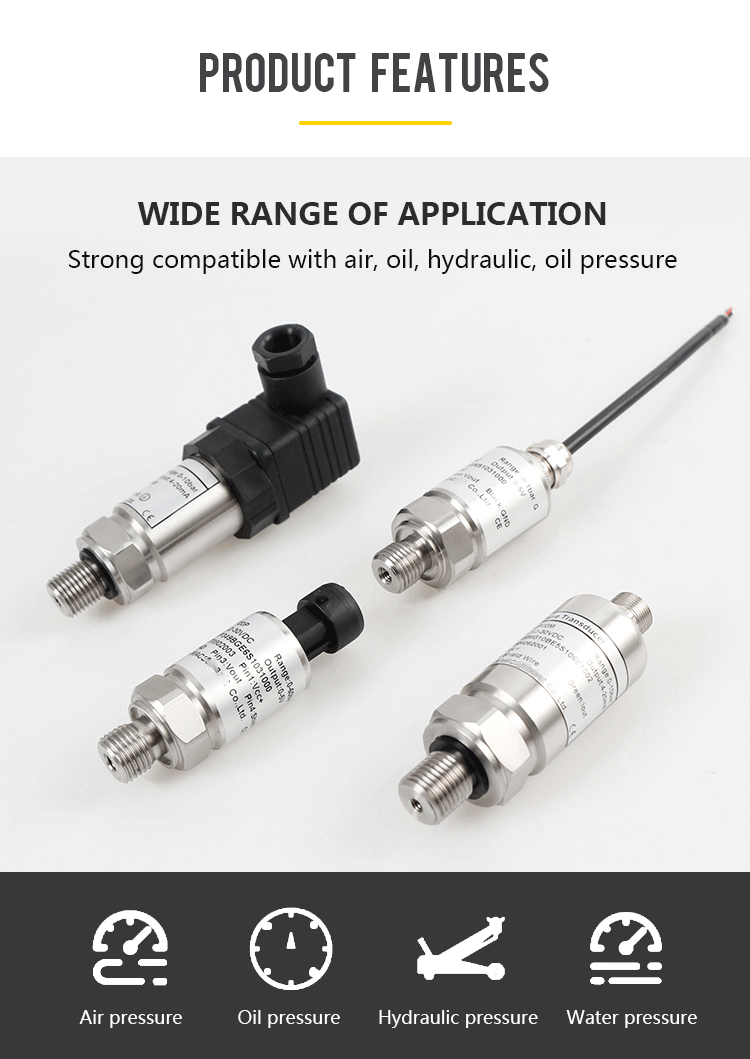
Sensors are a core component of smart pumps. They monitor various parameters such as flow rate, pressure, and temperature. This data forms the basis for smart decision-making by the pump.
How Do Sensors Work?
Imagine sensors as the eyes and ears of the pump. They continuously "observe" and "listen" to the pump's operational status and relay this information to the pump's "brain"—the control system. The control system uses this data to adjust the pump's operation, ensuring efficiency and safety.
Advantages of Sensors
• Real-Time Monitoring: Sensors provide real-time monitoring of the pump's status, ensuring everything is functioning correctly.
• Fault Warning: Data collected by sensors is transmitted to a backend system, which compares it to preset values. If any parameter exceeds the normal range, the system immediately issues an alert, helping users detect issues promptly.
• Data Analysis: The data collected by sensors can be analyzed to assess pump performance, aiding users in optimizing operational strategies.
Conclusion:
Sensors are an indispensable part of smart pumps. They not only enable intelligent operation but also offer users a more efficient and safer experience. As sensor technology continues to advance, smart pumps will become even more intelligent and reliable.